How to Start a Small Herb Garden Indoors: A Beginner’s Guide
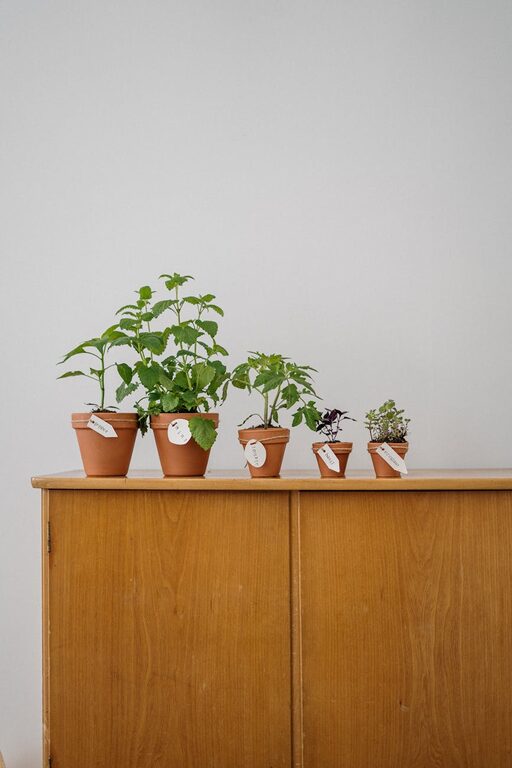
Starting an indoor herb garden is a wonderful way to bring fresh flavors into your kitchen and add a touch of greenery to your living space. Whether you have a large apartment or just a small windowsill, growing herbs indoors is achievable and enjoyable. This guide will walk you through everything you need to know to get started, from selecting the right herbs to caring for your plants.
Why Grow Herbs Indoors?
Growing herbs indoors has several benefits:
– Fresh herbs year-round: Enjoy the vibrant taste of fresh herbs anytime, regardless of the season.
– Convenient access: Pick your own herbs while cooking without leaving the kitchen.
– Space-saving: Ideal for those without a backyard or garden.
– Natural air purifier: Many herbs improve indoor air quality and add pleasant aromas.
Choosing the Right Herbs to Grow Indoors
Some herbs adapt better to indoor growing conditions than others. Consider starting with these popular and easy-to-grow options:
– Basil: Needs plenty of sunlight and warmth.
– Parsley: Tolerates lower light but prefers moderate sunlight.
– Mint: Thrives in indirect light; be careful as it can spread quickly.
– Chives: Easy to grow and resistant to pests.
– Thyme: Prefers well-drained soil and sunny spots.
– Cilantro: Grows quickly but may bolt if too warm indoors.
What You’ll Need to Start
Before planting, gather these basic supplies:
– Containers or pots: Choose pots with drainage holes to prevent waterlogging.
– Potting mix: Use a light, well-draining organic potting soil suitable for herbs.
– Seeds or seedlings: Beginners may find seedlings easier; seeds are more cost-effective.
– A sunny spot: A south-facing windowsill is ideal; consider grow lights if natural light is limited.
– Watering can: A small one helps control the amount of water.
– Labels: Optional, but useful for tracking what you’ve planted.
Step-by-Step Guide to Starting Your Indoor Herb Garden
1. Select Your Containers
Choose pots that fit your space and have drainage holes. Small terracotta pots, plastic containers, or even recycled jars work well. If you use containers without holes, create drainage with a layer of small stones at the bottom.
2. Prepare the Potting Mix
Fill your pots with fresh potting mix designed for indoor plants. Avoid garden soil, which may be too heavy and carry pests.
3. Plant the Seeds or Seedlings
– Seeds: Plant at the depth recommended on the seed packet. Lightly water after planting.
– Seedlings: Gently loosen roots and place in soil, filling around the base to hold them securely.
4. Position Your Herbs
Place the pots in a location where they receive at least 4-6 hours of sunlight daily. Most herbs need bright light to thrive. If natural light is insufficient, invest in LED grow lights to supplement.
5. Watering Routine
Water your herbs when the top inch of soil feels dry. Water thoroughly but avoid letting pots sit in water. Overwatering is a common mistake that can cause root rot.
6. Fertilizing
Feed your herbs every 4-6 weeks with a balanced, water-soluble fertilizer diluted to half strength. Too much fertilizer may reduce the flavor intensity of herbs.
Tips for Herb Garden Care
– Prune regularly: Harvest leaves frequently to encourage bushy growth and prevent flowering.
– Rotate pots: Turn pots every few days to ensure even light exposure.
– Control pests: Watch for aphids, spider mites, or fungus gnats. Wipe leaves with a damp cloth or use mild insecticidal soap if needed.
– Maintain humidity: Herbs prefer moderate humidity; mist plants occasionally if your home is very dry.
Harvesting Your Herbs
Harvest herbs by cutting stems near the base using clean scissors. Avoid removing more than one-third of the plant at a time to keep it healthy. Fresh herbs can be used immediately or stored by drying or freezing.
Common Challenges and How to Overcome Them
– Yellowing leaves: Often a sign of overwatering or poor drainage.
– Leggy growth: Indicates insufficient light; move plants closer to windows or add grow lights.
– Slow growth: Could mean inadequate nutrients; fertilize occasionally and ensure proper light.
– Wilting: Check watering habits and air circulation around plants.
Final Thoughts
Starting a small herb garden indoors is a rewarding beginner project that brings freshness and flavor right into your home. By choosing the right herbs, providing proper care, and paying attention to light and water needs, you can enjoy homegrown herbs throughout the year. Happy gardening!
—
Feel free to share your experiences or questions about growing herbs indoors in the comments below!