
Simple Ways to Reduce Noise at Home for a Calmer Space
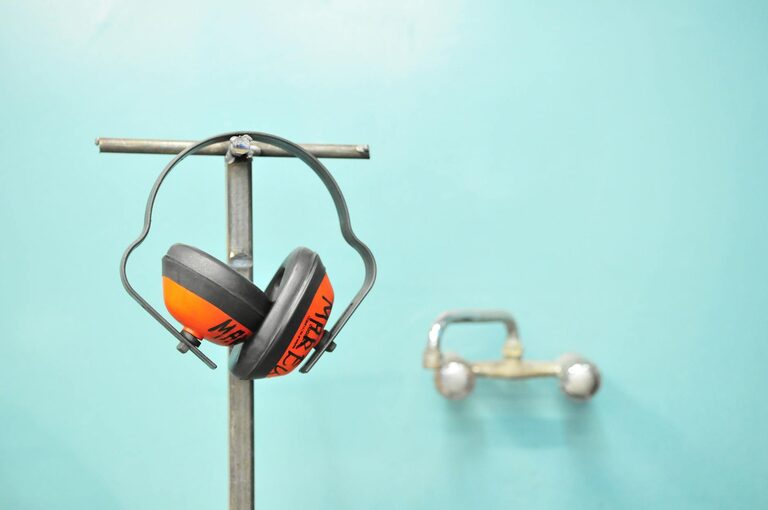
Living in a noisy environment at home can affect your comfort, focus, and overall well-being. Whether it’s the sound of traffic, loud neighbors, or household appliances, unwanted noise can be a constant distraction. Fortunately, there are many simple and practical ways to reduce noise at home that don’t require major renovations or expensive equipment. In this post, we’ll explore easy strategies to help you create a quieter, more peaceful living space.
Understanding Noise and Its Sources at Home
Noise at home can come from various sources, such as:
– Outdoor sounds like traffic, construction, or lawn equipment
– Sounds from neighboring units or rooms
– Household appliances like washing machines, vacuum cleaners, or HVAC systems
– Everyday activities like conversations, music, or television
By identifying where the noise comes from, you can select the most effective ways to reduce it.
Simple Ways to Reduce Noise Indoors
1. Use Soft Furnishings to Absorb Sound
Hard surfaces reflect sound waves, contributing to echoes and louder environments. Adding soft materials helps absorb some of this noise:
– Rugs and carpets: Place thick rugs or carpets on floors to dampen footsteps and reduce sound reflection.
– Curtains: Heavy, lined curtains or blackout drapes on windows can block some outdoor noise and absorb sound inside the room.
– Cushions and upholstery: Sofas, cushions, and upholstered chairs absorb sound and break up echo-prone spaces.
2. Rearrange Furniture Strategically
Furniture placement can impact noise levels:
– Position large pieces of furniture like bookshelves or wardrobes against shared walls to help block noise from adjacent rooms.
– Create cozy seating areas with soft furnishings to minimize echo and reduce sound traveling across open spaces.
3. Seal Gaps Around Doors and Windows
Noise can easily enter through small openings:
– Use weatherstripping or door sweeps to seal gaps at the bottom and sides of doors.
– Apply caulk or foam tape around window frames to block outside noise.
– Consider adding a second layer of sheer curtains or window inserts designed for sound insulation.
Outdoor Noise Reduction Tips
4. Use Plants and Greenery
Plants are natural sound absorbers and can help reduce outdoor noise entering your home:
– Place potted plants near windows and balconies.
– Create a small garden with bushes or hedges to act as a natural sound barrier.
5. Install Fencing or Barriers
If outdoor noise is a big issue, physical barriers can help:
– Build solid fencing that is tall enough to block sightlines to noisy sources.
– Use soundproofing fences or panels made from materials designed to dampen sound.
Reducing Noise from Household Appliances
6. Maintain and Upgrade Appliances
Regular maintenance can reduce noise levels:
– Clean filters and vents on air conditioners and HVAC systems.
– Replace worn-out or noisy parts in appliances.
– Consider quieter models when purchasing new appliances.
7. Use Rugs and Pads Under Appliances
Place vibration-absorbing mats or pads under washing machines, dishwashers, or any appliance that tends to shake or create noise.
Additional Tips for Noise Reduction
8. Use White Noise or Sound Machines
Sometimes, completely blocking noise isn’t possible. Using white noise machines or fans can create a consistent background sound that masks distractions and helps you concentrate or sleep better.
9. Limit Noise from Electronics
– Lower the volume on televisions, speakers, and computers.
– Use headphones when listening to music or watching videos, especially at night.
10. Create Quiet Zones
Designate areas in your home where noise is minimized. Use these spaces for work, study, or relaxation, and encourage household members to respect quiet times.
When Professional Solutions Are Needed
If noise problems persist, you may consider professional options such as:
– Installing soundproof windows
– Adding acoustic panels to walls or ceilings
– Hiring experts for soundproofing rooms
While these options may cost more, they can make a significant difference in creating a quiet home environment.
Conclusion
Reducing noise at home doesn’t have to be complicated. By applying some simple techniques—like adding soft furnishings, sealing gaps, rearranging furniture, and using plants—you can noticeably decrease unwanted sounds. Creating a calm and quiet space will help improve your comfort, focus, and overall quality of life. Start with a few easy steps today and enjoy the benefits of a quieter home.